O que fazer em Istambul
Principais pontos turísticos e atrações para montar seus dias depois de saber quando ir.

Basílica de Santa Sofia
Santa Sofia, oficialmente Grande Mesquita de Santa Sofia, é um imponente edifício construído entre 532 e 537 pelo Império Bizantino para ser a catedral de Constantinopla. Da data em que foi edificada, em 537, até 1453, ela serviu nesta função, com exceção do período entre 1204 e 1261, quando ela foi convertida para uma catedral católica romana durante o Patriarcado Latino de Constantinopla que se seguiu ao saque da capital imperial pela Quarta Cruzada. O edifício foi uma mesquita entre 29 de maio de 1453 e 1931, quando foi secularizada. Ela reabriu como um museu em 1 de fevereiro de 1935.

Constantinopla
Constantinopla, atual Istambul, foi a capital do Império Romano (330–395), do Império Bizantino, do Império Latino (1204–1261) e, após a tomada pelos turcos, do Império Otomano (1453–1922). Estrategicamente localizada entre o Corno de Ouro e o Mar de Mármara no ponto em que a Europa encontra a Ásia, a Constantinopla Bizantina havia sido a capital da Cristandade, sucessora das antigas Grécia e Roma. No decorrer da Idade Média, Constantinopla foi a maior e mais rica cidade da Europa.

Mesquita Azul
A Mesquita do Sultão Ahmed, também conhecida como Mesquita Azul, é uma mesquita otomana de Istambul, Turquia. Foi construída entre 1609 e 1616 e está situada na Praça Sultanahmet, no distrito de Fatih, em frente da Basílica de Santa Sofia, da qual se encontra separada por um espaço ajardinado. É uma das 5 mesquitas da Turquia que possui seis minaretes.

Palácio de Topkapı
História do Palácio de TopKapi
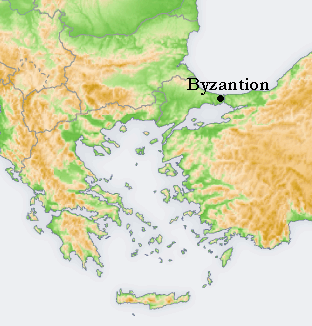
Bizâncio
Bizâncio foi uma cidade da Grécia Antiga, fundada por colonos gregos da cidade de Mégara, em 658 a.C., que recebeu o nome de seu rei, Bizas ou Bizante. Os romanos latinizaram o nome para Byzantium. A cidade veio a se tornar o centro do Império Bizantino, a parte oriental do Império Romano que falava o idioma grego, da Antiguidade tardia até a Idade Média, sob o nome de Constantinopla. Foi conquistada pelos turcos otomanos, em 1453, e passou a fazer parte do Império Otomano; em 1930 seu nome foi mudado novamente, e passou a se chamar Istambul.

Türk Telekom Arena
O Complexo Esportivo Ali Sami Yen é um estádio de futebol localizado em Istambul, na Turquia, inaugurado em 15 de janeiro de 2011, com capacidade máxima de 53 978 espectadores.

Mesquita Süleymaniye
A Mesquita Süleymaniye ou de Solimão é uma mesquita imperial otomana situada na segunda colina de Istambul, Turquia, no bairro histórico de Eminönü, distrito de Fatih. A sua situação elevada faz dela uma das vistas mais conhecidas de Istambul. A seguir à Basílica de Santa Sofia, que foi convertida em mesquita após a conquista da cidade pelos otomanos, é a maior mesquita de Istambul e uma das maiores realizações do prolífico e genial arquiteto imperial Mimar Sinan. A mesquita faz parte das Zonas Históricas de Istambul, classificadas pela UNESCO como Património Mundial desde 1985.

Torre de Gálata
A Torre de Gálata é uma torre medieval localizada no bairro que lhe dá o nome na parte europeia de Istambul, na Turquia, ao norte do Corno de Ouro. A torre domina o panorama dessa parte da cidade e nela funciona um museu.

Palácio Dolmabahçe
O Palácio Dolmabahçe é um edifício localizado no distrito de Beşiktaş, no lado europeu do Bósforo na cidade de Istambul, Turquia. O palácio foi o principal centro administrativo do Império Otomano de 1853 a 1922.

Estádio Şükrü Saraçoğlu
O Estádio Şükrü Saraçoğlu é um estádio de futebol localizado na cidade de Istambul, na Turquia. Inaugurado em 1908, passou por reformas em 1933 e em 1982 que aumentaram sua capacidade até ser completamente remodelado entre 1999 e 2006.

Torre de Leandro
A Torre de Leandro, também conhecida como Torre da Donzela é uma construção histórica da cidade de Istambul, na Turquia. Ocupa uma ilhota do estreito do Bósforo, ao largo de Üsküdar.

Igreja de São Salvador em Chora
A Igreja de São Salvador em Cora, Mesquita Kariye, Museu de Cora ou Museu Kariye é considerada um dos mais belos exemplos de uma igreja bizantina. A igreja está situada no oeste, no distrito de Edirnekapı, em Istambul. No século XVI, a igreja foi convertida em uma mesquita pelo Império Otomano e tornou-se um museu em 1945. O interior da construção é coberto por mosaicos e afrescos.
Locais do Wikidata e da Wikipédia.
Contém links de afiliado.