Discover the best time of year, based on historical climate, temperature, and precipitation.
The best weather in Varna is from July, August, September, but considering flight prices and crowds, the best months to visit are May, September, October. — consistent weather climate
☀️Pleasant
| Score | 19 | 28 | 37 | 66 | 84 | 81 | 90 | 93 | 92 | 83 | 46 | 21 |
|---|---|---|---|---|---|---|---|---|---|---|---|---|
| Climate | Cold | Cold | Cold | Mild | Mild | Humid | Pleasant | Pleasant | Pleasant | Mild | Cold | Cold |
| Temperature | 0–7°C | 2–9°C | 4–11°C | 8–16°C | 13–20°C | 18–25°C | 20–28°C | 21–29°C | 17–24°C | 12–18°C | 7–13°C | 3–9°C |
| Feels like | -4–3°C | -2–6°C | 0–8°C | 5–14°C | 12–20°C | 18–27°C | 21–30°C | 21–30°C | 16–24°C | 10–17°C | 4–11°C | -1–6°C |
| Precipitation | 59mm 9 days | 42mm 7 days | 47mm 9 days | 52mm 8 days | 62mm 8 days | 84mm 9 days | 43mm 6 days | 28mm 4 days | 36mm 5 days | 51mm 6 days | 66mm 9 days | 57mm 9 days |
| Sunshine | 5.6h ☀︎ 60% | 6.1h ☀︎ 58% | 7.9h ☀︎ 66% | 10.2h ☀︎ 76% | 11.8h ☀︎ 81% | 13.0h ☀︎ 85% | 13.5h ☀︎ 90% | 12.7h ☀︎ 92% | 10.9h ☀︎ 87% | 8.1h ☀︎ 74% | 5.7h ☀︎ 59% | 5.1h ☀︎ 57% |
| Wind | NW · 19 km/h | NW · 19 km/h | N · 18 km/h | N · 17 km/h | NE · 16 km/h | NE · 16 km/h | NE · 16 km/h | NE · 17 km/h | NE · 17 km/h | N · 16 km/h | NW · 17 km/h | NW · 18 km/h |
| Humidity (%) | 78% | 77% | 76% | 73% | 75% | 74% | 68% | 65% | 68% | 74% | 79% | 80% |
| Day length | 9.4h | 10.5h | 11.9h | 13.4h | 14.7h | 15.3h | 15.0h | 13.9h | 12.5h | 11.0h | 9.7h | 9.0h |
| Tourist Crowds | Low season | Low season | Low season | Low season | Low season | Shoulder season | High season | High season | Shoulder season | Low season | Low season | Low season |
As one of Bulgaria's oldest and most prestigious festivals, it offers a rich program of classical music, opera, and ball…
This prestigious biennial competition is one of the oldest and most respected ballet events globally, attracting young t…
This vibrant festival showcases traditional dances, music, and costumes from Bulgaria and around the world. Held in the…
Named after a famous Bulgarian circumnavigator, this international sailing regatta is a highlight for maritime enthusias…
This important religious holiday, especially significant in Varna as a port city, honors St. Nicholas, patron of sailors…
This film festival focuses on contemporary cinema, attracting filmmakers and cinephiles from various countries. Held tow…
Conventional holiday wisdom says to wait for the sweltering heat of August to visit Bulgaria's maritime capital, but May delivers the city at its absolute finest—green, uncrowded, and wide awake before the resort hordes arrive.
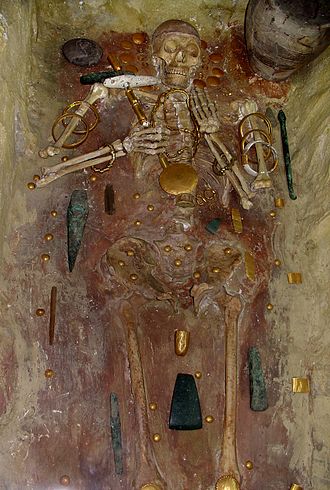
For nearly seven millennia, people have gravitated toward the Gulf of Varna, drawn by a sheltering natural harbour and a coastline that cradles some of the deepest human history on European soil. Long before Greek traders renamed the Thracian settlement Odessos, and millennia before the headquarters of the Bulgarian Navy dropped anchor here, Neolithic artisans were burying the world's oldest worked gold in the Varna Necropolis. Yet most travelers today treat Varna merely as a transit lounge for package resorts further up the Black Sea Coast. They rush in during midsummer, bake in thirty-degree humidity on crowded sands, and wonder why the city feels frayed around the edges. To understand why Varna actually matters—and to see it living its best life—you have to ignore the sun-worshippers' calendar completely.
Standard travel guides point you toward high summer, seduced by peak water temperatures and maximum sunshine hours. They are wrong. May is when Varna belongs to itself, and it is the single best month to be here.
By early May, the sprawling greenery of the Sea Garden bursts into life, canopying the high bluff that separates the city center from the surf. Acacias and chestnuts bloom, sea breezes carry the scent of salt and sweet blossoms through the alleys of the Greek Quarter, and daytime temperatures hover in that rare, effortless zone where walking five miles feels refreshing rather than punitive. The outdoor café terraces along the pedestrian promenade are humming with locals, university students, and sailors, but you can actually find a table without elbowing past tour groups.
Down on Varna Beach, the vast crescent of pale sand sits uncluttered. The sea is brisk—crisp enough to shock your skin if you plunge in—but the beach bars are opening their wooden shutters, stringing hammocks, and serving cold draft beer beside the surf. You get twelve hours of daily sunshine to explore the vast limestone ruins of the Roman Baths or wander among the gold artefacts unearthed from the necropolis, entirely free from the oppressive queue lines and sweat of July.
By the time June eases into July, the atmosphere shifts from relaxed coastal town to full-throttle resort capital. The city's population swells dramatically as travelers arrive from across Europe. The heat registers as a heavy, humid blanket that pins you to the shade or drives you straight into the Black Sea.
July is the undisputed peak of human density in Varna. Finding a patch of sand to lay a towel between the breakwaters requires early-morning discipline, and the seaside promenade turns into a dense, nocturnal river of revelers. If you thrive on theatrical energy, though, high summer brings genuine magic after twilight. The Varna Summer International Music Festival fills classical venues with orchestral resonance, while the prestigious International Ballet Competition transforms open-air stages into showcase platforms for global dance talent under star-filled skies.
August delivers peak sea warmth and the clearest skies of the year, with barely a flicker of rain. It also hosts the vibrant street performances of the Varna International Folk Festival, the cinematic screenings of the Love is Folly film festival, and the white sails of the Cor Caroli regatta cutting across the blue waters of the bay. But you pay for that vibrancy in packed boulevards, booked-out tables, and relentless afternoon heat that makes urban sightseeing miserable between noon and five.
September provides an exquisite second act. The summer throngs thin out dramatically after the first week, but the Black Sea has spent three months absorbing heat and stays deliciously warm for swimming. The fierce humidity breaks, replaced by mellow, golden afternoons that invite long, lazy walks along the paths of the Sea Garden.
September shares the crisp clarity of early summer without the crushing foot traffic. You can rent a bicycle along the waterfront, browse the stalls near the Dormition of the Mother of God Cathedral, or linger over fried sprat and cold white wine at seaside shacks without a reservation. By October, the days shorten noticeably and evenings turn cool, but the weather remains remarkably stable and comfortable for touring the coastal cliffs, visiting the ancient port ruins, or gazing out from the bluffs near Asparuhov Bridge as migratory birds trace the coast southwards.
For anyone who prefers swimming over spring sightseeing, late September is the only window that comes close to rivaling May's perfection.
Come November, the Black Sea earns its dark reputation. The warmth drains away, replaced by grey maritime swells, piercing easterly winds, and damp chill that bites deep despite modest thermometer drops. Low season here is genuine quietude; resort infrastructure shuts down completely, beach pavilions are boarded up with plywood, and the city retreats indoors.
Yet winter in Varna has its own rugged dignity. On a stormy January afternoon, standing at the edge of the Sea Garden watching grey-green breakers crash against the concrete pier reveals the genuine soul of this port. In December, the city rallies around St. Nicholas Day, celebrating the patron saint of sailors with church bells, family feasts of carp, and smoky fish grills near the harbour docks, honoring centuries of maritime grit.
Early spring—March and April—is a temperamental tug-of-war between lingering cold and tentative warmth. Rains are light but skies can remain stubborn and overcast for days on end. Unless you have business at the naval docks or come solely to study Thracian gold in the quiet halls of the museums, wait until the switch flips in May.