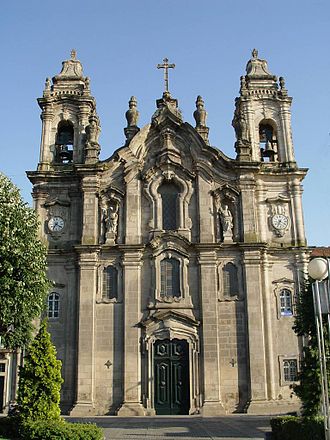
While standard travel wisdom nudges visitors toward the scorching heat of July or the solemnity of spring, June quietly delivers Braga at its absolute peak—combining effortless summer warmth and room to breathe before the midsummer crush, right alongside the rowdy joy of São João.
Braga wears its layered identity with a rare, effortless gravity. As Portugal's ancient religious heart and the Roman capital of Bracara Augusta, it has weathered millennia of prelates, Suebi kings, and passing pilgrims walking the Portuguese Way toward Santiago. Yet the rhythm on the ground defies almost every standard assumption about Mediterranean travel. The city's quietest streets arrive not in the depths of winter, but on the cusp of summer, while its heaviest foot traffic coincides directly with the dark, drenching rains of December. To understand Braga, you have to let go of the generic playbook for southern Europe and look closely at how life unfolds along the granite arcades of the Minho.
June: The Sweet Spot You Won't Find on the Weather Charts
If you look purely at temperature algorithms, July will try to claim the crown. Do not believe it. June is the undisputed masterpiece of the Braga calendar, offering an easy daytime high around 24 degrees without the baked, arid fatigue that settles in later in the summer. The granite monuments, from the medieval castle tower to the baroque balconies of the old quarter, radiate a gentle warmth rather than oppressive heat, and daylight stretches past nine in the evening.
What sets June apart from the months flanking it is the sheer spaciousness of everyday life. You can wander past the impeccably trimmed box hedges of the Jardim de Santa Bárbara or stand beneath the grand Arco da Porta Nova without navigating the tour buses that pack into northern Portugal in August. The air feels lucid and fresh, scrubbed clean by the retreating spring, and open-air tables spill across the flagstones without the frantic turnover of peak season.
Then, late in the month, the city's ancient piety dissolves into joyful chaos during the São João Festival. The streets ignite with midnight bonfires, the intoxicating scent of grilled sardines, and the rhythmic squeak and tap of plastic garlic-flower hammers. It is Braga at its most unfiltered and generous—a festival woven into the community's bone marrow rather than staged for visitors, wrapped in breezy, lingering twilights that make it almost impossible to go to sleep.
July and August: Sun-Drenched Afternoons and the August Wave
By July, the Minho turns distinctly golden. The rains vanish almost completely, dropping to mere traces, and daytime temperatures routinely push toward 28 degrees, with apparent heat lingering well into the evening. July remains surprisingly balanced: the skies are relentless blue and the sun sits high over the monumental staircase of Bom Jesus do Monte, yet the city center never feels completely overwhelmed.
August, however, is a different story. The weather matches July stride for stride, but the human landscape shifts dramatically. August brings the peak of Portugal's holiday season, accompanied by thousands of returning emigrants and international road-trippers sweeping inland from Porto. The stone core around Praça da República hums with constant movement, and the sacred hill of Bom Jesus fills with sightseers riding the water-powered funicular.
If you find yourself in Braga during the height of August, adopt the local rhythm. Confine your walking to the cool shelter of the morning, when the fountain spray cools the squares and the narrow alleys cast long shadows. By midday, escape north toward the shaded, rushing waters of the Cávado River, or seek out the thick, cool granite walls of the Sé de Braga, retreating from the midday glare until the dusk brings cooler air and lively outdoor dining.
September and October: The Golden Harvest Turns to Autumn Downpours
September is an elegant, underrated chapter. The fierce heat relents, settling back to comfortable afternoon highs around 25 degrees, and the August crowds thin out almost overnight. The surrounding Minho countryside turns toward the grape harvest, and the city regains its dignified, university-town tempo. Pilgrim traffic along the Camino de Santiago remains steady, lending the cobbled avenues a quiet, purposeful energy.
October, however, brings the abrupt slamming of a meteorological door. While daytime temperatures remain mild—often hovering near 21 degrees—the Atlantic rain systems roll in from the coast with staggering force. October is historically one of the wettest months of the entire year, dumping heavy, prolonged bursts that quickly overwhelm pedestrian ambitions.
Visiting in October means carrying a reliable umbrella and swapping long outdoor strolls for the rich interiors of baroque churches, museum galleries, and atmospheric cafes. When the sun does break through, the autumn light reflecting off wet granite is breathtaking, but do not plan an itinerary that relies on dry days.
November to February: The Winter Paradox and the Minho Mist
Here lies the great paradox of Braga: its most crowded month of the year is December, which is also among its darkest and wettest. While casual travelers stay away from Atlantic Iberia in midwinter, regional visitors flood the city center for elaborate holiday markets, nativity displays, and year-end festivities that crowd Praça da República to the brim. November sees a similar, unexpected surge in domestic foot traffic despite bone-chilling humidity and heavy skies.
Winter here is cold, damp, and uncompromising. Daytime highs settle between 13 and 14 degrees, with apparent temperatures feeling several degrees colder as damp air rolls off the hills. Heavy rainfall is regular, turning the cobbled alleys slick and cloaking the twin spires of the Sé de Braga in low, brooding mist.
January and February ease back on the crowd surge, leaving behind a tranquil, austere city. For travelers who find romance in melancholy skies, peat smoke drifting from stone chimneys, and steaming bowls of caldo verde in quiet taverns, midwinter offers an intensely authentic glimpse of northern Portuguese life. But pack wool, waterproof layers, and sturdy shoes—the chill will seep into your bones if you come unprepared.
March to May: Baroque Shadows and the Slow Spring Thaw
Spring in the Minho does not arrive in a sudden flash of heat; it unfurls through a moody dance of rain showers and emerging sun. March and April remain damp and unpredictable, but they carry the profound cultural weight of Holy Week (Semana Santa). As Portugal's ecclesiastical capital, Braga stages Easter processions unlike anywhere else in the nation.
During Semana Santa, the historic quarter goes quiet save for the rhythmic beat of muffled drums and the shuffle of barefoot penitents. Hooded figures carry flickering torches past the Arco da Porta Nova, and the scent of burning wax and incense fills the cold evening air. It is a haunting, theatrical, and deeply moving spectacle, though accommodation fills up months in advance and spring downpours frequently threaten the ceremonies.
By May, the balance tips decisively toward pleasure. Temperatures comfortably cross 21 degrees, the downpours soften into manageable passing showers, and the city's gardens burst into vivid bloom. May gives you a generous preview of summer without the baking heat, serving as the serene opening act to the glorious warmth that follows.